
"seed funding"
500 article(s) found

The Origin of Rwandan Coffee Flavor Flavor Manor introduction to the Chilmel Manor in the Lute Xilo region of the Western Province
Rwandans have been growing coffee since colonial times, but until 1999, its products were still classified as below Class C and were not popular in the global market. The reason for the poor quality is that farmers do not have a fixed procedure for washing coffee beans and do not process coffee fruits according to specifications in time. Buyers buy coffee beans at $0.33 per kilogram, and farmers keep warm by the meagre profits earned at low prices.

Introduction to the flavor and taste of Rwandan coffee beans the characteristics of Rwandan coffee beans in Chilmel Manor
Rwanda coffee is absolutely high quality in the form of washed Arabica beans. As far as Africa is concerned, its coffee industry is remarkable because the country thrives mainly by producing the best possible coffee beans. Coffee from Rwanda is becoming more and more popular in the international market. The mission of the Rwandan Coffee Association is to manage and supervise the coffee industry in Rwanda from production to sales.

Introduction to the treatment methods of fine Rwandan coffee beans
Rwandans have been growing coffee since colonial times, but until 1999, its products were still classified as below Class C and were not popular in the global market. The reason for the poor quality is that farmers do not have a fixed procedure for washing coffee beans and do not process coffee fruits according to specifications in time. Buyers buy coffee beans at $0.33 per kilogram, and farmers keep warm by the meagre profits earned at low prices.

History of introduction and expansion of Coffee in China in the early stage of Coffee Development (5)
1. From the first peak period of the development of China's coffee industry (1952-1961) to the late 1940s, according to recorded figures, there are 2173.33 hectares of rubber plantations in Hainan Island, with a total of 867600 rubber trees, with an annual output of 199,000 tons of dry rubber, and more than 300,000 coffee plants. the annual output of coffee beans is 1 ton. According to a survey in the early 1950s, there was a large amount of coffee left in Fushan area of Chengmai County, with a total of 70,000.

Coffee lovers pay attention to the lack of genetic diversity or the extinction of Arabica coffee beans.
Professional barista communication Please follow the coffee workshop (Wechat official account cafe_style) coffee beans are a bit like bananas. Like the Cavendish banana, the only banana variety found on the shelves of most supermarkets in the world, the highest quality Arabica coffee beans have very low genetic diversity. Experts predict that after the bacteria evolve in the future, it will be fatal to the Cavendish banana.

Description of Brand Flavor of World famous Coffee Manor introduction of planting Environment treatment method
In 1570, when the Turkish army besieged Vienna and failed to retreat, someone found a bag of black seeds in the barracks of the Turkish army, and no one knew what it was. A Polish man who had lived in Turkey took the bag of coffee and opened his first coffee shop in Vienna. The 16th century

Rwandan coffee varieties with rich flavors. Fine coffee beans. Flavor description.
In 1999, 220 coffee growers formed a union in the Malaba area (formerly part of Butare province) to combat the disease. Many of its members are farmers separated from their loved ones by the 1994 massacre, and some have husbands jailed or brought before traditional gacaca courts to face trial on charges of involvement in the massacre. They named it Abbawuza.

Yunnan will start 20,000 tons of instant coffee production line next year
The history of coffee cultivation in Yunnan dates back to 1892. A French missionary brought coffee seeds into Yunnan from abroad and planted them successfully in a valley in Binchuan County, Yunnan Province.

The famous Rwandan coffee producing area manor, which is famous for washing and treating coffee beans, introduces the western province road of Kimmel Manor.
In 1999, 220 coffee growers formed guilds in the Malaba area (formerly part of Butare province) to address the disease. Among the guild members, many farmers were separated from their loved ones by the 1994 mass massacre, while some husbands were jailed or were taken to the traditional Gacaca Court (gacaca) to face trial on charges of participating in the massacre. They named the guild Abauza.

Ethiopia, the coffee bean producing area of Kenya, which is grown on volcanic slopes.
Kenya is bordered to the north by Ethiopia, the origin of Arabica coffee trees, but it was not until the beginning of the 20th century that coffee cultivation began. In the 19th century, missionaries introduced Arabica trees from the leaves, but did not plant them in large quantities. It was not until 1893 that coffee was cultivated on a large scale because of the introduction of Brazil's ancient bourbon seeds. That is to say, Kenyan coffee is of Brazilian origin.

Introduction to the method of describing the Flavor and Grinding degree of Costa Rican Tarazhu Coffee with good sweetness
Coffee was introduced into Costa Rica from Cuba in 1729. Today, its coffee industry is one of the well-organized industries in the world, with a yield of 1700 kg per hectare. Costa Rica has only 3.5 million people but 400m coffee trees, and coffee exports account for 25 per cent of the country's total exports. The volcanic soil of Costa Rica is very fertile and well drained, especially in the central part.
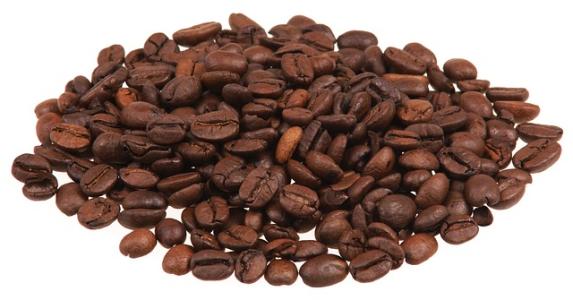
An introduction to the Historical Origin of Malaba Coffee in Rwanda
Following caf é (Wechat official account vdailycom) found that Malaba Coffee, Rwanda Malaba Coffee (Rwandan: Ikawa ya Maraba, French: Caf de Maraba) is a fair trade certified coffee grown in Malaba area of southern Rwanda. The coffee crop of Malaba is a bourbon variety of Arabica species.

Introduction to the characteristics of Rwanda Coffee Bean Flavor Manor producing area Coffee growing Environment in Rwanda
Rwandans have been growing coffee since colonial times, but until 1999, its products were still classified as below Class C and were not popular in the global market. The reason for the poor quality is that farmers do not have a fixed procedure for washing coffee beans and do not process coffee fruits according to specifications in time. Buyers buy coffee beans at $0.33 per kilogram, and farmers keep warm by the meagre profits earned at low prices.

2016 Shanghai Restaurant chain joining and Digital Management Exhibition
2016 Shanghai Catering chain joining and Digital Management Exhibition 2016 Shanghai restaurant chain and Digital managementThe exhibition Exhibition time: August 25-27, 2016 Exhibition venue: Shanghai New International Expo Center (2345 Longyang Road) organizer: China Hotel Association Asian good Food Alliance organizer: Shanghai New Heritage Exhibition

A brief introduction to the treatment method of grinding degree and baking degree of full-grained Costa Rican fine coffee beans
Therefore, the Costa Rican boutique coffee we are now exposed to is the fine processed honey beans of each of its estates. However, there are still ordinary sun-treated coffee beans, but the quality and flavor are not so good, so the trade without honey-treated beans is widely planted in Costa Rica. Arabica coffee trees are planted in Costa Rica. The quality of coffee beans is better and more stable.

The cooperative farm United by Kenyan coffee farmers is different from the autonomy of other large farms.
Kenya is bordered to the north by Ethiopia, the origin of Arabica coffee trees, but it was not until the beginning of the 20th century that coffee cultivation began. In the 19th century, missionaries introduced Arabica trees from Yemen, but did not plant them in large quantities. It was not until 1893 that coffee was cultivated on a large scale after the introduction of Brazil's ancient bourbon seeds. That is to say, Kenyan coffee was of Brazilian origin.
Boutique coffee Rwanda coffee origin Rwanda coffee practice
Rwandans have been growing coffee since colonial times, but until 1999, its products were still classified as below Class C and were not popular in the global market. The reason for the poor quality is that farmers do not have a fixed procedure for washing coffee beans and do not process coffee fruits according to specifications in time. Buyers buy coffee beans at $0.33 per kilogram, and farmers keep warm by the meagre profits earned at low prices.

Fine coffee Rwanda coffee manor Rwanda coffee producing area
Rwandans have been growing coffee since colonial times, but until 1999, its products were still classified as below Class C and were not popular in the global market. The reason for the poor quality is that farmers do not have a fixed procedure for washing coffee beans and do not process coffee fruits according to specifications in time. Buyers buy coffee beans at $0.33 per kilogram, and farmers keep warm by the meagre profits earned at low prices.

What is the plan for tomorrow's sun? Caravani production area introduces Bolivia's COE Plan
For more information about coffee beans, please follow the coffee workshop (official Wechat account cafe_style) Bolivia is located in the western center of South America, covering an area of 1098581 square kilometers, about three times the size of Montana. The two mountains of the Andes span western Bolivia, forming three major geographical regions of the country: the western mountain highlands and plateaus.

Kenya Coffee Bean Arabica Coffee Flavor description method Variety characteristics Manor introduction
Kenya is bordered to the north by Ethiopia, the origin of Arabica coffee trees, but it was not until the beginning of the 20th century that coffee cultivation began. In the 19th century, missionaries introduced Arabica trees from the leaves, but did not plant them in large quantities. It was not until 1893 that coffee was cultivated on a large scale because of the introduction of Brazil's ancient bourbon seeds. That is to say, Kenyan coffee is of Brazilian origin, because of water.